

Introduction
March 9, 2026
After years of investing in real estate and managing renovation projects, I recently launched something I'm really excited about: The Midterm Collection.
Along the way, I noticed a gap in the rental market that many property owners aren't talking about yet... the demand for high-quality furnished rentals for 30+ day stays.
These midterm rentals serve professionals who need temporary housing for a few months at a time:
- travelling healthcare workers
- corporate relocations
- government professionals
- insurance displacement clients
The demand in Ottawa is growing quickly, but many property owners are still relying only on short-term rentals or traditional long-term leases. What I've discovered is that there's a powerful middle ground...
Through The Midterm Collection, I work with property owners in and around Ottawa to help transition properties into high-performing furnished rentals designed for 30+day stays. My focus is on strategy, design, and systems that attract reliable tenants while creating more stable income for owners.
I'm excited to keep building in this space and connecting with others who are interested in the future of midterm rentals.
If you're a property owner, investor, or someone working in corporate housing, insurance placements, or relocation services, I'd love to connect!
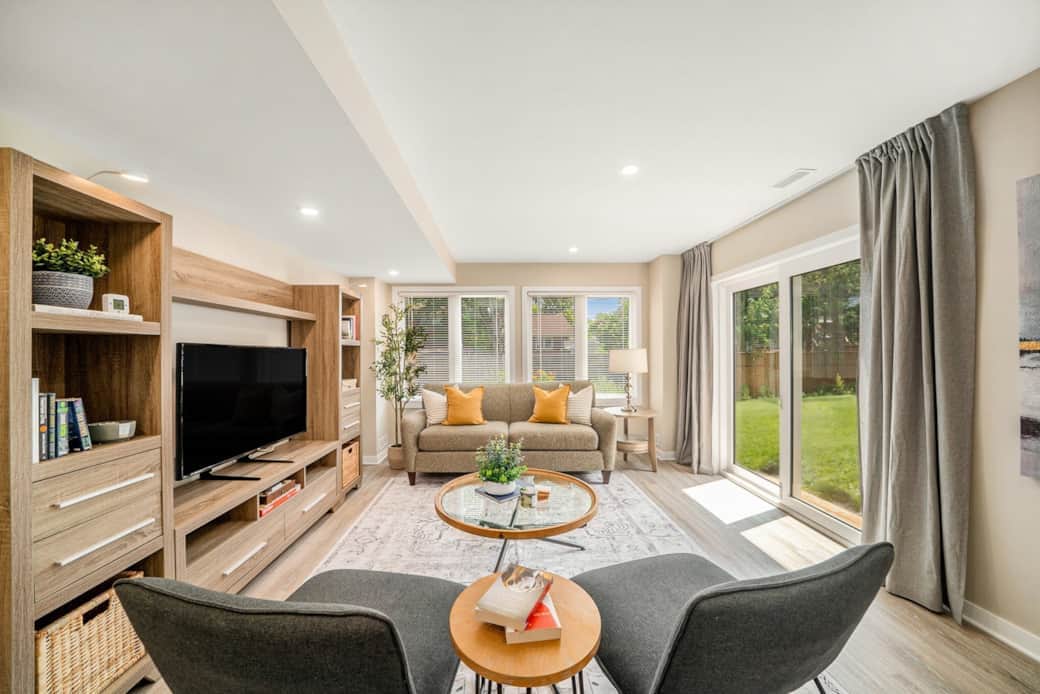
The Hidden Opportunity in Midterm Rentals
March 13, 2026
The real estate market is currently caught between two extremes: the high-turnover grind of Short-Term Rentals (STRs) and the rigid, often lower-margin commitment of Long-Term Rentals (LTRs).
Enter the "Goldilocks" zone: Midterm Rentals (MTRs).
If you're a property owner looking to maximize cash flow while minimizing vacancy and operational headaches, this 30-180 day market is your biggest untapped opportunity!
What is a Midterm Rental?
A midterm rental is any stay lasting longer than 30 days but typically less than six months. Until standard leases, these are usually fully furnished and include utilities, offering a "plug-and-play" experience for the tenant.
Who are the Tenants?
You aren't just renting to "tourists." You're providing essential housing for high-intent, professional "30-day-plus" guests:
- Healthcare Heroes: Travel nurses and medical professional on 13-week contracts
- Corporate Relocations: Employees moving for a new job who need a home base while they shop for permanent housing
- Insurance Placements: Families displaced by home repairs or natural disasters (often paid for by high-limit insurance policies)
- Digital Nomads: Remote workers looking to "test drive" a new city for a month or two
Why Demand is Exploding
The shift isn't accidental. Three major factors are driving the MTR boom:
- Regulatory Shifts: Many cities, including Ottawa, are cracking down on stays under 30 days. MTRs often bypass these restrictive STR laws
- Remote Work: The ability to work from anywhere has turned "living" into "staying," increasing the need for flexible, furnished housing
- High Interest Rates: As buying becomes more expensive, more people are opting for flexible midterm solutions during life transitions
Why Owners Love the MTR Model
- Higher Yields: You can often charge 1.5x to 2x more than a traditional unfurnished long-term lease
- Lower Turnover: Instead of cleaning every 3 days, you're cleaning once every 3 months
- Less Wear and Tear: Professional tenants generally take better care of properties than high-volume vacationers
How to Get Started
- Furnish for Utility: Focus on a dedicated workspace, high-speed Wi-Fi, and a fully stocked kitchen
- Choose the Right Platforms: Move beyond Airbnb. List on sites like Zillow, MediHousing and Corporate Housing.
- Network Locally: Reach out to local hospital HR departments and insurance relocation agencies
The Bottom Line: The "missing middle" of the rental market is where the most resilient returns are hiding. If you have a property sitting empty or a short-term rental struggling with regulations, it's time to consider the 30-day stay.
I enjoy finding ways to help owners maximize their property potential through strategic rental transitions. I'm currently helping owners analyze their portfolios for MTR viability. Feel free to reach out if you've considered the switch. I would love to hear from you!
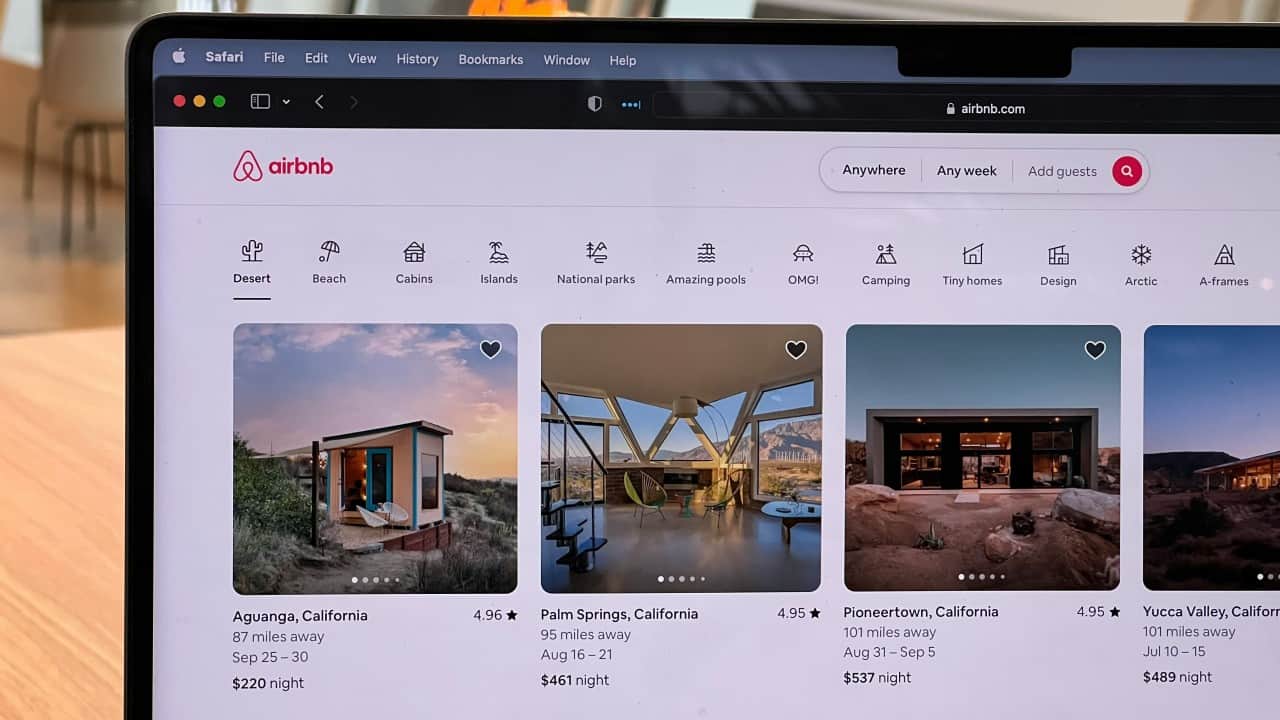
The Airbnb Trap: Why Diversification is the New Gold Standard
March 21, 2026
For years, Airbnb was the undisputed king of passive income. But as the short-term rental market matures, savvy property owners are realizing that "putting all your eggs in one basket" is more than a cliche... it's a massive business risk. Relying solely on a single platform leaves your livelihood vulnerable to shifts you cannot control.
The Hidden Risks of Platform Dependency
While Airbnb offers a massive user base, that convenience comes at a steep price: total loss of autonomy.
- Platform Risk: You don't own your business; you're a tenant on someone else's digital land. If Airbnb changes its Terms of Service or decides your property no longer fits its "vibe," your income can vanish overnight with a single deactivation
- Algorithm Whims: One week you're on page one; the next, a slight tweak to the search algorithm buries your listing on page ten. You are constantly charing a "black box" logic that prioritizes the platform's bottom line over your occupancy rates
- The Payment Bottleneck: When you rely on one processor, you are at the mercy of their payout schedules and dispute policies. We've seen hosts face agonizing payment delays or unfair refund decisions that favour guests, leaving owners to foot the bill for overhead and mortgages
The Power of Diversification
True stability comes from channel management. By spreading your presence across different platforms and rental models, you insulate yourself from "platform shock." If one site does down or changes its fee structure, your other channels keep the lights on.
A Smarter Model: The Midterm Collection
The most effective way to de-risk your portfolio is to pivot toward the midterm rental (MTR) market. This is where The Midterm Collection excels!
Instead of the high turnover, high-stress cycle of weekend tourists, we focus on high-quality travelling professionals, digital nomads, and families in transition.
- Stable Income: Longer stays mean fewer vacancies and predictable cash flow
- Lower Wear and Tear: Professional tenants treat your home like a home, not a party pad
- Direct Control: We move away from restrictive algorithms and toward relationship-based hosting
I've seen too many talented hosts lost sleep over algorithm shifts and payout delays. If you're looking to stabilize your income and move toward a more resilient model, I'd love to chat. Feel free to send me a DM or check out how we're doing things differently at The Midterm Collection.
STR to MTR: A Choice Was Made
April 3, 2026
I recently received a call from a local Ottawa homeowner who was at a breaking point. She had a thriving Short-Term Rental (STR) business with five furnished homes… until new city bylaws changed everything. Practically overnight, her business model was forced to shut down.
She was left with five beautiful vacant properties and no clear strategy on how to pivot. One of those homes sat vacant for over 12 months while the carrying costs piled up.
That’s where we stepped in. By transitioning her portfolio into the midterm rental market through The Midterm Collection, we shifted the focus from nightly tourists to long-term professional stays.
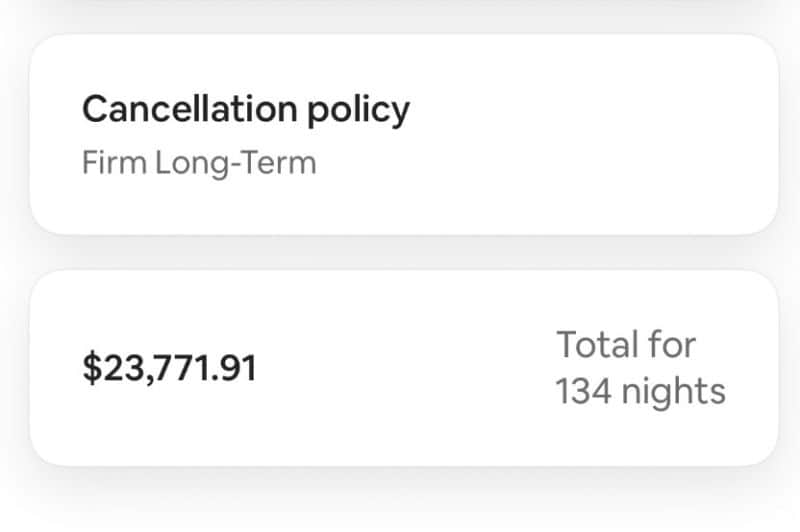
The result? We just secured a single 134-night booking for over $23,700. In one click, we turned a year of $0 revenue into four months of guaranteed, high-tier income. This isn't just about filling a house; it’s about navigating a changing regulatory landscape and finding a path to profitability when the "old way" of doing things stops working.
If your rental strategy has been hit by local bylaws, don’t let your investment sit empty. There is a "sweet spot" between short-term and long-term, and we’ve found it. 📈
Why "More Beds" Might Be Killing Your Midterm Revenue
April 7, 2026
In the world of property management, the math usually seems simple: more beds equal more revenue. However, as I’ve grown The Midterm Collection, I’ve realized that the most important metric isn't how many people you can fit, but how well you can serve the people who actually stay there.
I recently made the strategic decision to transition one of my Ottawa properties from a three-bedroom, six-guest rental to a two-bedroom, four-guest executive stay. Here is why I decided that "less" was actually "more."
1. Solving the Bathroom Bottleneck: The property features one and a half bathrooms. While that is perfectly comfortable for a family of four or two couples, it becomes a significant "bottleneck" when you scale up to six guests. I want my guests to start their mornings with ease, not a scheduled rotation for the shower. By reducing the guest count, I immediately improved the daily flow of the home, ensuring that no one feels like they are competing for basic amenities.
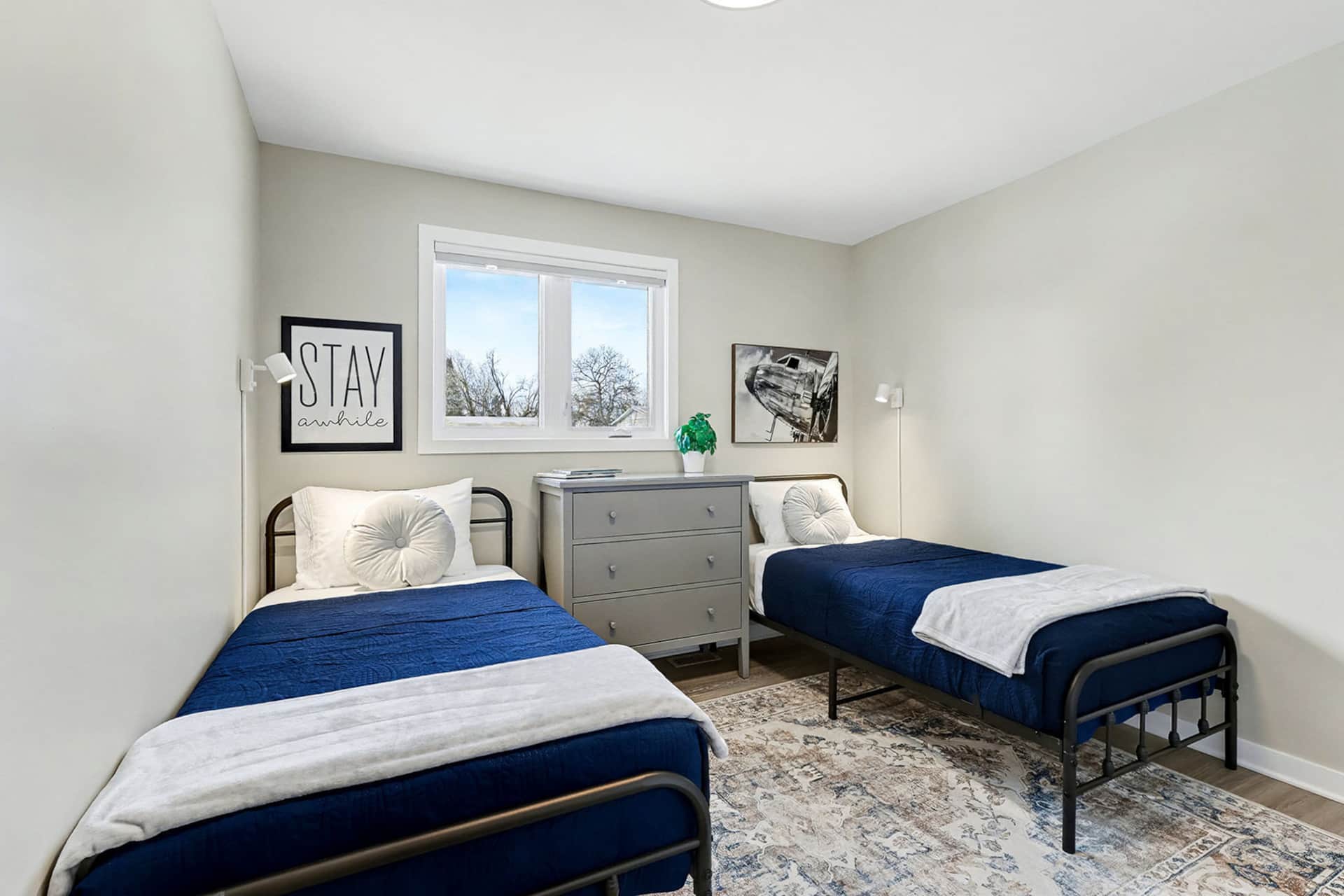
2. From "Crowded" to "Productive": Originally, the third bedroom was tightly packed with two single beds, bringing our total sleep count to two queens and two singles. While great for high-occupancy numbers, it didn't serve the modern midterm guest. We’ve replaced those single beds with a dedicated flex space designed for the modern professional.
This new setup includes:
• A full WFH station: A spacious desk and a printer for those relocating for work.
• A relaxation zone: A comfortable sectional sofa that offers a secondary place to unwind away from the main living room.
This transition turned a cramped sleeping quarter into a high-value asset for guests who need to stay for a month or more.
3. Protecting the Investment: High-occupancy rentals come with a hidden cost… accelerated wear and tear. Hosting six people consistently places significant strain on flooring, appliances, and furniture.
By pivoting to a maximum of four guests, I am effectively:
• Reducing maintenance overhead: Less impact on the property means fewer repairs and a longer lifespan for high-end finishes.
• Maintaining a "Premium" Feel: It is much easier to keep a property in pristine, "like-new" condition when it isn't being pushed to its capacity limits.
4. Prioritizing the Guest Experience: At the end of the day, my brand is built on comfort and quality. I would much rather provide a 5-star experience for a group of four than a 3-star experience for a group of six.
Sometimes, the best business move isn't the one that increases the nightly rate on paper. It’s the one that ensures every guest who leaves is already planning their next stay.
Are you a property owner who has faced a similar "quantity vs. quality" dilemma? I’d love to hear how you balanced revenue with guest comfort in the comments.